Interventional Radiology
Learn about Interventional Radiology Doctors, minimally invasive procedures, image-guided treatments, and advanced care for international patients.


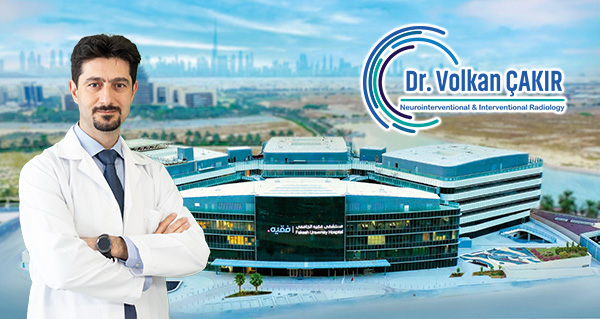
Dr. Volkan Çakır is a highly experienced Specialist in Interventional Radiology with over 15 years of experience. He completed his medical education at Dokuz Eylül University, School of Medicine, and further specialized in radiology. Dr. Çakır has held prominent positions such as Head of the Interventional Radiology Department and Associate Professor at reputed institutions in Turkey.
 Interventional Treatments
Learn about Interventional Radiology Doctors, minimally invasive procedures, image-guided treatments, and advanced care for international patients.

Expert interventional neuroradiology doctor in Dubai offering advanced minimally invasive procedures and image-guided treatment for brain and vascular conditions.
Interventional radiology doctors provide advanced image-guided treatments with minimally invasive procedures for vascular diseases, cancer, and chronic conditions.
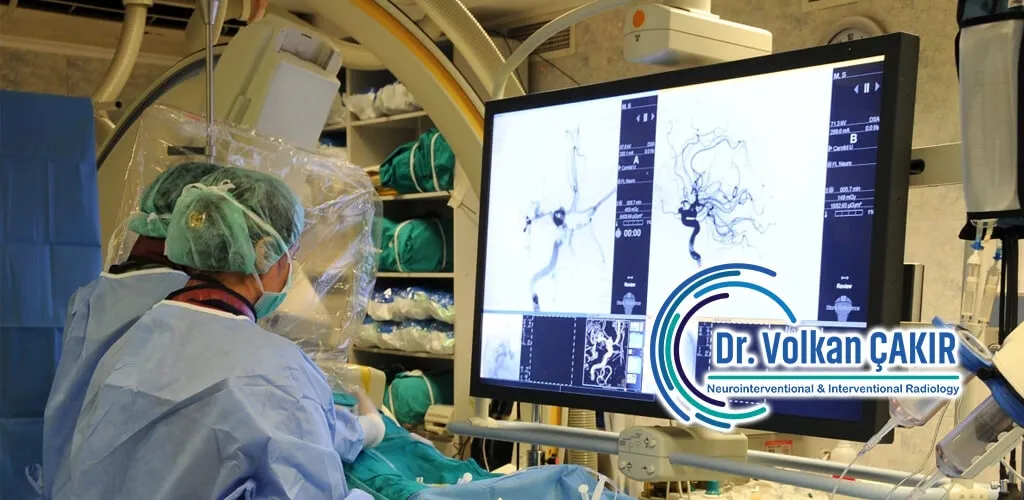
Discover advanced interventional neuroradiology treatments for stroke, aneurysm, and AVM. Safe, minimally invasive image-guided procedures by specialists.

Discover the best interventional radiology doctors offering advanced minimally invasive procedures and image-guided treatment for faster recovery.
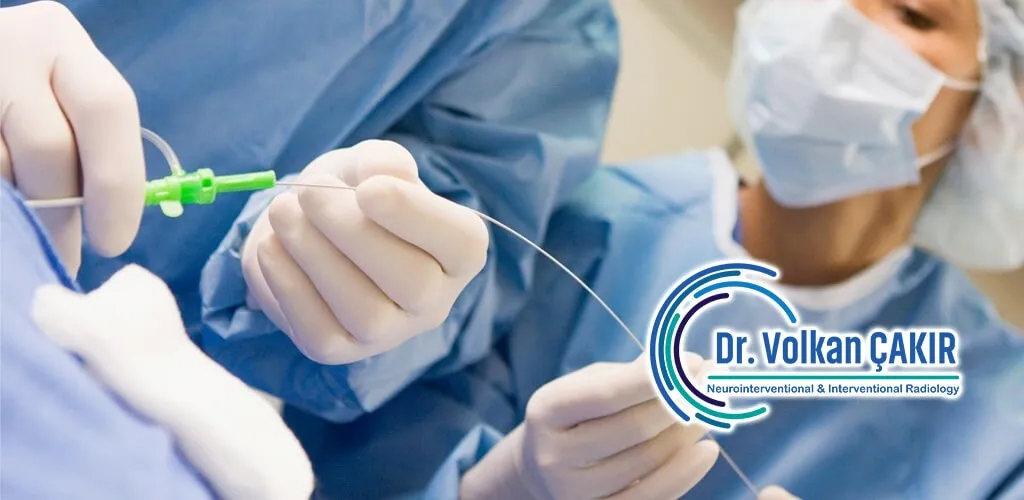
Interventional radiologists have a wide range of expertise. They can open vascular occlusions with angiography, stop the feeding of tumors with embolization, treat tumors by burning them with radiofrequency ablation, treat myomas without surgery, and treat cerebral vascular diseases with angiography.
Patient opinions
He is one of the rare doctors who performed the surgery meticulously on my wife, who had a brain hemorrhage after an aneurysm burst, who answered all our questions sincerely and in full detail in our most stressful times, and who gave confidence with her answers. We cannot thank her enough.🙏🙏

Dr. Volkan performed 3 surgeries on my mother. Since there was narrowing in the veins in the neck (2 jugular veins and one in the back of the neck), a total of 3 stents were placed in her neck. He is a doctor who is very sensitive about human health and extremely kind in human relations. He is very humble and sincerely answers all your questions. There was no hospital or doctor that we did not visit for 2 years. How lucky we were to find Dr. Volkan. None of the doctors we went to before could make a diagnosis. Dr. Volkan is a very good doctor in diagnosis and treatment. When we see doctors like you, our hope increases. Best regards..
My wife had an aneurysm and brain hemorrhage. Thanks to Dr. Volkan She did not have an open surgery. Since then, all her checkups and brain angiograms have been performed by Dr.Volkan. I would like to thank him very much for his smiling face and the trust he gives to his patients.
I am one of the lucky ones to have met Dr. Volkan. I am so glad I met him. I wish we could continue this.
I have never seen such a perfect doctor. Knowledgeable, respectful, explains even the smallest detail, and gives confident and clear answers. Interventional radiology is definitely the only person I would recommend. Thank you, Mr. Volkan, I'm glad to have you.
Questions and Answers<
Interventional Radiology (IR) is a medical specialty that uses minimally invasive imaging techniques, such as X-rays, CT scans, and ultrasound, to guide procedures. These procedures can treat a wide range of conditions, such as cancer, cardiovascular disease, and certain infections, without the need for traditional surgery.
Interventional Neuroradiology (INR) is a subspecialty of radiology that focuses on the diagnosis and treatment of conditions affecting the brain, spine, and neck using minimally invasive techniques. Procedures in INR are guided by advanced imaging techniques such as angiography, CT, and MRI.